Burning Better: The Greener Science of Sawdust and Pillow Briquettes
Date Posted:Thu, 18th Jun 2026

How sustainable charcoal in the UAE is made from reclaimed wood waste — and why the way a briquette is made changes how it burns.
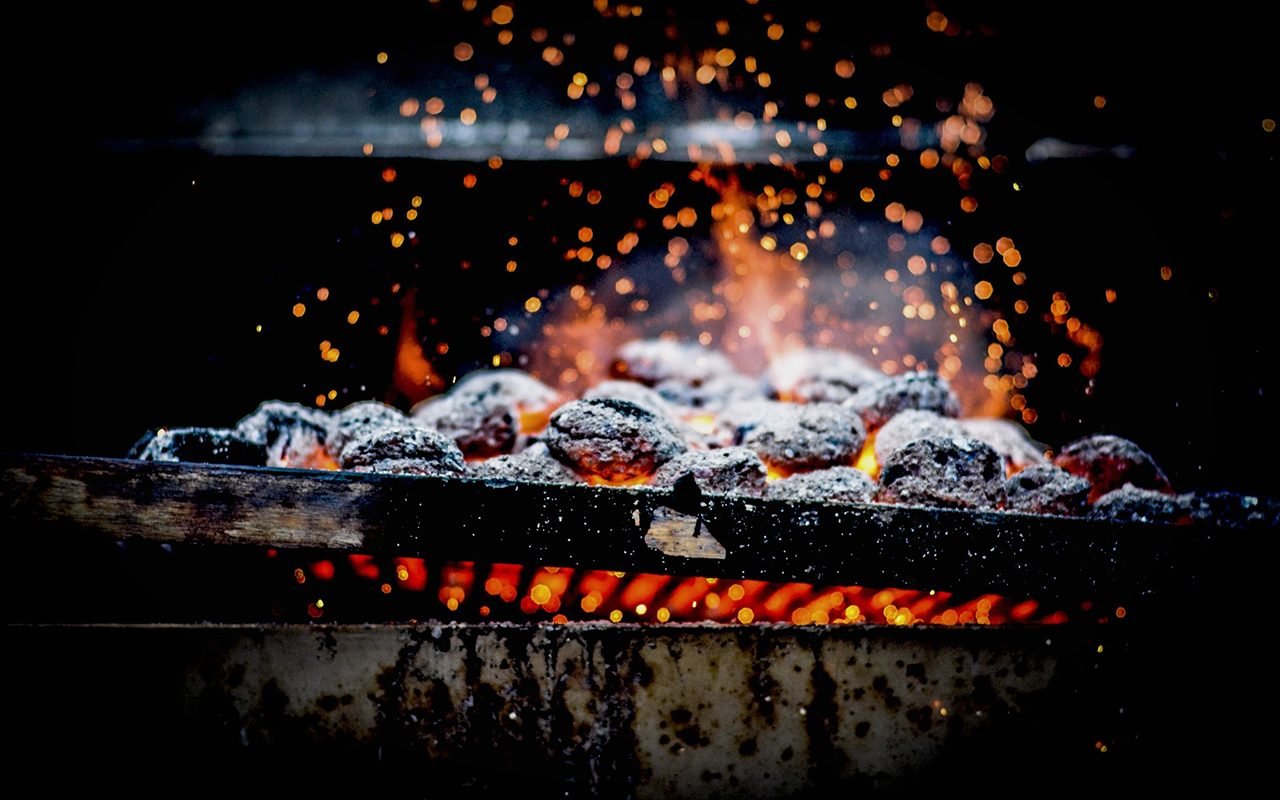
From Waste to Warmth
Most people never think about where their charcoal comes from. Yet the way fuel is made determines both how well it burns and the footprint it leaves behind. The sawdust and pillow-shaped briquettes produced under the Pure Fire brand are built around a simple principle: nothing should go to waste.
Sawdust briquettes are made from exactly what the name suggests — the fine wood residue left over from sawmills and timber processing. Rather than being discarded or burned off as waste, that material is collected, dried, and compressed under extreme pressure into dense, uniform logs and blocks. No chemical binders are needed: the natural lignin in the wood, released under heat and pressure, holds each briquette together. The result is a clean-burning fuel made entirely from a by-product that would otherwise have gone to landfill.
The Pillow Shape, Explained
Pure Fire's pillow-shaped charcoal is produced through a similar compression process, formed into its distinctive rounded shape for a reason that matters at the grill. The shape maximises the surface area exposed to airflow while keeping the briquettes packed tightly enough to burn slowly and evenly. That means faster lighting, a more consistent temperature, and a noticeably longer burn than loose lump charcoal — so less fuel is needed for the same cook.
Because the raw material is compressed and uniform, each briquette behaves predictably. There are fewer flare-ups, less sparking, and far less of the dust and breakage common to cheaper charcoal. For home cooks and hospitality venues alike, that consistency is the difference between a good service and a frustrating one.
Why It Is Genuinely Greener
The environmental case is straightforward. First, the briquettes are made from reclaimed wood waste rather than freshly felled timber, extending the value of trees that have already been harvested. Second, the high density and slow, even burn mean more heat from less material — better efficiency translates directly into a smaller carbon footprint per cook. Third, the absence of chemical binders and accelerants means cleaner combustion, less smoke, and no synthetic additives ending up in food or the air.
For a business built on fire, sustainability is not a marketing afterthought — it is structural. When the core product is fuel, the responsible approach is to make that fuel from waste, burn it efficiently, and keep it clean. That is exactly what Pure Fire is designed to do, as part of the wider portfolio at Elite Horizon.
Events Calendar
Upcoming Events

BCCD Business Briefing: The Financial Landscape - Trust, Regulations and the Road Ahead, Sponsored by Canaccord Wealth
Tue, 13th Oct 2026
voco Dubai
As the wealth and investment landscape evolves, so does the expectation around regulation ... Read more

BCCD Masterclass - Clarity in Chaos: Navigating Leadership Decisions
Wed, 14th Oct 2026
Hotel Indigo Dubai Downtown
Join us for “Clarity in Chaos: Navigating Leadership Decisions”, an immersive, high-st... Read more

BCCD Breakfast Networking
Wed, 21st Oct 2026
Reform Social & Grill
Kickstart your morning with valuable connections & conversations. This casual yet engaging... Read more


