The Nabataean Traverse Expedition, 2026
Date Posted:Tue, 17th Feb 2026

The Nabataean Traverse Expedition,2026 is more than a scientific journey across desert terrain. It is a strategically designed cross-border initiative linking Jordan and the Kingdom of Saudi Arabia through heritage, science, and modern collaboration - it presents a compelling commercial opportunity for UAE businesses operating across the region.

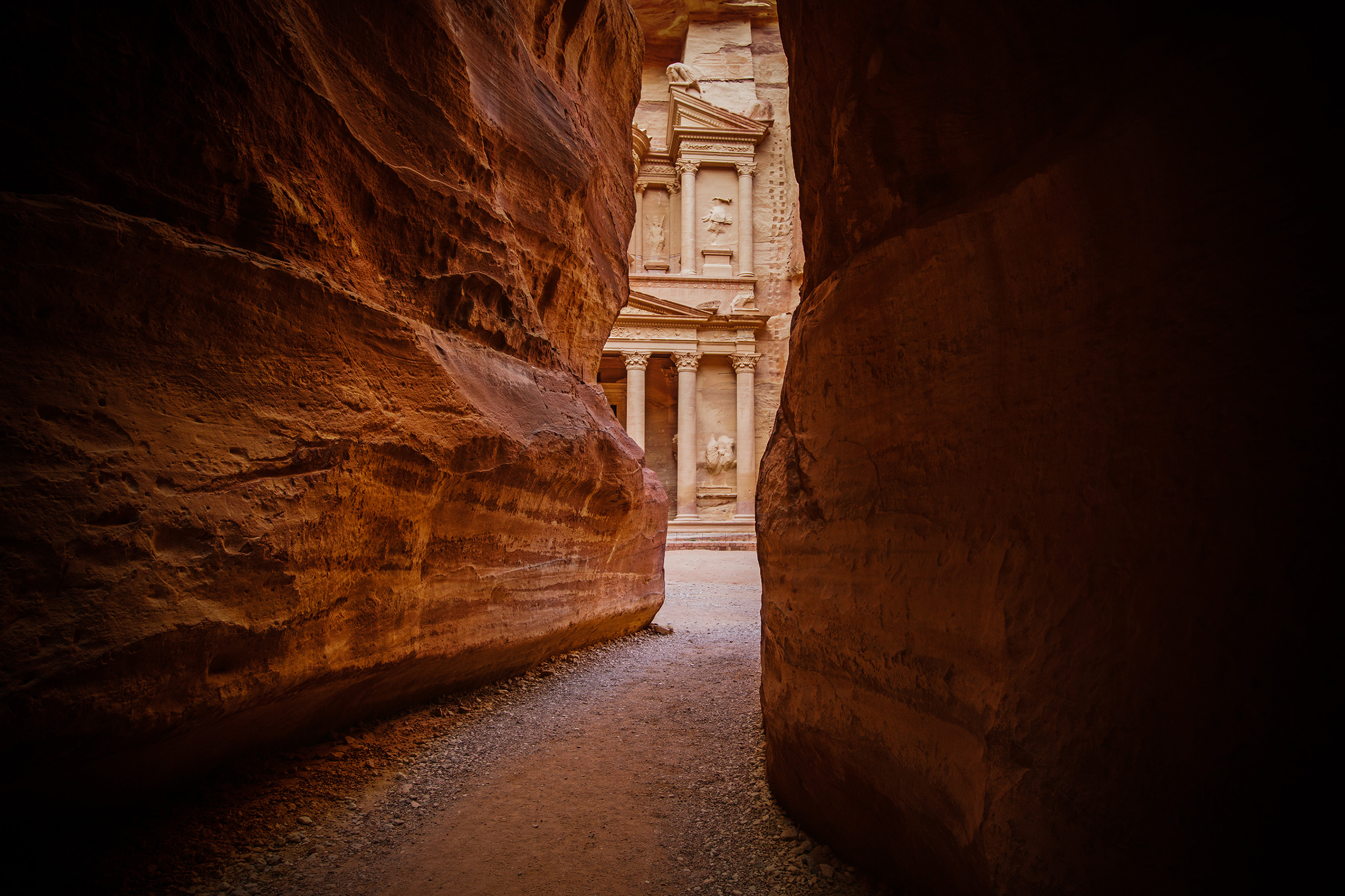
The expedition will follow the historic Nabataean corridor from Petra to AlUla, a 650-kilometre on foot, multidisciplinary transect integrating archaeology, geology, seismology, ecology, space exploration, environmental monitoring, and human performance research. Yet while its scientific ambition is significant, its potential strategic value to business is equally important.
For companies based in the UAE with active interests in Saudi Arabia and Jordan, the Traverse offers a rare platform: one that combines prestige science, Vision 2030 alignment, sustainability leadership, innovation, education, and global visibility in a single, coherent programme.
At its heart, the Traverse reflects the kind of structured cooperation that underpins modern trade relationships. It sits naturally within Saudi Arabia’s Vision 2030 priorities: cultural heritage, tourism development, environmental stewardship, research excellence, and international collaboration. It complements Jordan’s heritage strategy and conservation initiatives. And it aligns closely with the UAE’s position as a regional hub for innovation, advanced technology, logistics, education, and space-sector growth.
For British Chamber members this matters.

The scientific architecture of the Traverse is broad, but its commercial relevance is clear. Archaeologists and heritage specialists will document inscriptions, water systems, and trade infrastructure along the ancient Nabataean corridor. Geologists and environmental scientists will analyse landscape evolution and desert resilience. Ecologists will establish biodiversity baselines across multiple ecozones. Astro/ Microbiologists will view with an eye to missions to the Moon and onto Mars. Human performance specialists will collect real-world physiological data under extreme environmental stress. We have a realistic expectation of making new discoveries.
For UAE-based companies operating in sectors such as engineering, renewable energy, environmental consultancy, advanced sensors, satellite communications, logistics, health technology, drone systems, data analytics, and education technology, the Traverse is not an abstract academic exercise. It is a live operational platform in one of the world’s most strategically significant regions.
The expedition also intersects directly with the UAE’s growing space and technology ambitions. The desert corridor serves as an operational analogue for planetary exploration, allowing the testing of field workflows, wearable technologies, remote decision-making, and biosignature sampling protocols under genuine environmental constraint. With international space agency participation anticipated, there is clear potential for collaboration across terrestrial science, astronaut training, and advanced remote operations — areas in which the UAE has established serious momentum.
Yet beyond science and technology, the long-term legacy is where the strongest commercial argument lies.
The Traverse is not designed as a one-off expedition. It is structured to generate durable regional value.
First, it will produce high-resolution filmed output, and a structured archive of the Petra–AlUla corridor, assets that contribute to heritage management, tourism planning, and conservation policy. Second, it supports the articulation of a future cross-border heritage trail, strengthening eco-tourism infrastructure and local economic participation. Third, it creates a framework for ongoing research collaboration both regional, and international.
For businesses invested in sustainable tourism, infrastructure, conservation services, digital mapping, environmental assessment, or destination branding, this is strategically relevant.
Equally significant is the education and youth engagement component. Through live field links, structured digital storytelling, curriculum resources, and post-expedition exhibitions, the Traverse aims to engage more than a million young people across the region and internationally. This is not passive media consumption; it is structured STEM engagement connecting heritage science, environmental stewardship, space exploration, and innovation.
For UAE companies with strong CSR mandates or talent-development pipelines, this represents direct alignment. It supports national priorities around education, sustainability, and advanced skills development while positioning partners within a programme that carries regional and international visibility.
Call to Action for British Chamber Members
For British Chamber members, the opportunity now is to move from interest to structured involvement. We are seeking a small cohort of UAE-based partners - particularly those with active links into Jordan and the Kingdom of Saudi Arabia who can contribute capability, not just branding: logistics and mobility support; satellite communications and resilient connectivity; mapping, drone and remote-sensing expertise; wearable health technology and data analytics; sustainability and environmental monitoring; and education technology to scale live STEM engagement.
In return, partners will be aligned with a highly visible, Saudi- and Jordan-anchored initiative that is designed to produce real-world outputs: scientific datasets, digital heritage assets, youth engagement at scale, and international media exposure. We welcome introductions via the Chamber to organisations with a serious regional footprint and a genuine commitment to sustainable development, innovation, and cross-border collaboration.
If you can help, through sponsorship, in-kind technical support, or strategic introductions, I would value a short conversation to explore fit and practical next steps.
Biographical Note: Professor Mark Hannaford DSc (hc) FRRHH
Professor Mark Hannaford is an expedition leader and founder of World Extreme Medicine, with more than four decades of experience leading multidisciplinary teams in remote and high-consequence environments. He pioneered the modern discipline of Extreme Medicine, developing international training capability for clinicians and operational teams working in deserts, mountains, polar regions, and conflict-affected settings.
His work sits at the intersection of exploration, science, and structured collaboration. He has built programmes that bring together academic institutions, conservation authorities, operational teams, and international partners into coherent, deliverable initiatives.
As Michael Markland of KASHAF notes:
“One of Mark’s most valuable strengths is his capacity to build trust across diverse communities—academia, conservation, heritage stakeholders, operational teams, and mission-driven partners—and then convert that trust into working collaboration. He communicates in a way that respects disciplinary standards while making the ‘system’ intelligible to everyone involved. As a result, he is able to recruit and retain a breadth of contributors—microbiology, geology, ecology, archaeology, remote sensing, and human performance—into a coherent, mutually reinforcing programme rather than a collection of parallel efforts.”
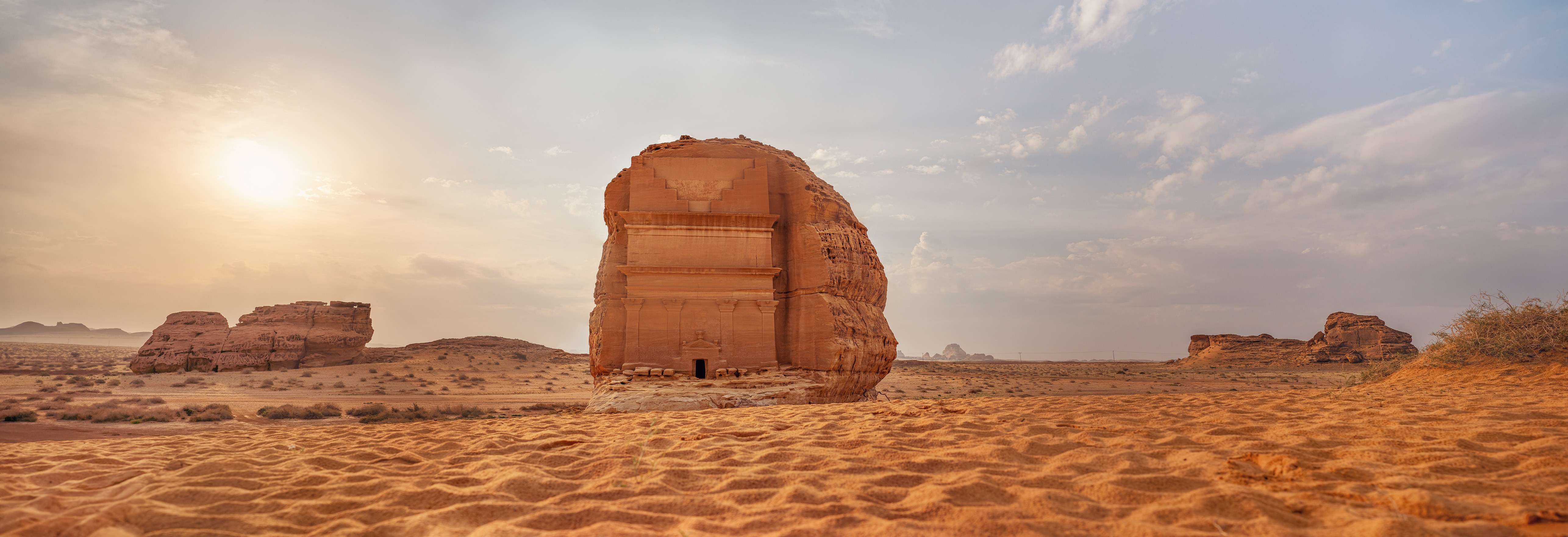
The visual and narrative power of the Traverse is also attracting early interest from documentary and long-form film producers. The route itself, from Petra’s carved façades to the volcanic harrats and monumental tombs of Hegra, offers cinematic scale. Combined with the scientific integration and cross-border cooperation, it creates a story that travels well globally. Managed correctly, this translates into reputational capital for partners grounded in credibility rather than spectacle.
In short, the Traverse Expedition is a platform where commerce, heritage, science, diplomacy, and education converge. It reflects the maturity of regional relationships and demonstrates how structured collaboration can deliver measurable outputs across multiple sectors.
Events Calendar
Upcoming Events

BCCD Business Briefing: The Financial Landscape - Trust, Regulations and the Road Ahead, Sponsored by Canaccord Wealth
Tue, 13th Oct 2026
voco Dubai
As the wealth and investment landscape evolves, so does the expectation around regulation ... Read more

BCCD Masterclass - Clarity in Chaos: Navigating Leadership Decisions
Wed, 14th Oct 2026
Hotel Indigo Dubai Downtown
Join us for “Clarity in Chaos: Navigating Leadership Decisions”, an immersive, high-st... Read more

BCCD Breakfast Networking
Wed, 21st Oct 2026
Reform Social & Grill
Kickstart your morning with valuable connections & conversations. This casual yet engaging... Read more


