Redefining Luxury: Sustainability Trends in High-End Hospitality
Date Posted:Wed, 5th Mar 2025

The luxury hospitality industry has long been associated with indulgence and opulence, but in recent years, there has been a remarkable shift. Today’s guests are not only seeking unparalleled experiences and impeccable service—they also want to know that their choices are making a meaningful contribution to the local community.
Sustainable Shifts Transforming Luxury Hospitality
Sustainability is no longer a trend; it’s a demand. As travelers become increasingly eco-conscious, the hospitality industry is adapting to meet their expectations. From reducing energy consumption to minimizing waste, the luxury hotel sector is embracing sustainability across all areas of operation.
One of the key trends in the industry is the adoption of energy-efficient technologies. Many luxury hotels are investing in renewable energy sources, including solar and wind power, to reduce their carbon footprints. Another growing trend is water conservation—with hotels implementing innovative systems to reduce water usage without compromising guest comfort.
Waste reduction is another area of focus. Luxury hotels are rethinking how they handle waste, with many adopting composting systems, reducing single-use plastics, and working toward zero-waste goals. Additionally, the demand for sustainable dining has skyrocketed, with guests expecting fresh, locally sourced, and organic ingredients in their meals.
These shifts aren’t just about responding to consumer demand—they also contribute to a hotel’s long-term success. By embracing sustainability, luxury hotels are enhancing brand reputation, cutting operational costs, and attracting an eco-conscious clientele that prioritizes both luxury and responsibility.
Balancing Luxury with Sustainability
At Fairmont Dubai, the emphasis is always on exceptional service and guest experience. However, what sets the property apart is its ability to combine that experience with a deep commitment to sustainability.
Guests can indulge in luxury while knowing their stay contributes to a greener planet. Whether it's dining on organic, locally-sourced ingredients, enjoying a rejuvenating spa treatment using eco-friendly products, or simply relaxing in a room that utilizes energy-efficient technology, sustainability is seamlessly woven into every aspect of the guest experience.
In fact, many guests now expect green luxury—where the finest quality is matched by a hotel’s responsible environmental impact.
Conclusion
Fairmont Dubai's commitment to sustainability reflects a broader shift in the industry—one that recognizes the importance of preserving the environment while providing exceptional guest experiences. As luxury travel continues to evolve, eco-conscious initiatives will only become more integral to the industry’s success.
Proudly certified with the Green Key Certification, Fairmont Dubai is at the forefront of this transformation. This prestigious certification underscores the hotel’s dedication to minimizing its environmental impact while maintaining the highest standards of luxury. Fairmont Dubai proves that luxury can be sustainable without sacrificing the exceptional service that defines the hospitality sector. By making sustainability a core value and achieving Green Key Certification, Fairmont Dubai is setting a new benchmark for what “green luxury” truly means in the 21st century.
As more luxury hotels follow in these footsteps, sustainability will no longer be an option but a defining feature of the industry’s future in the region.
_______
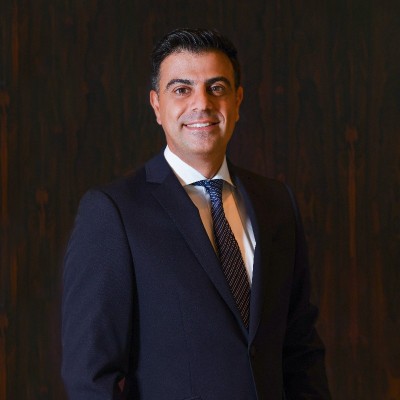
Author: Joe Nassoura, General Manager, Fairmont Dubai
Events Calendar
Upcoming Events

BCCD Business Advance Members Speed Networking Sponsored by Barclays International Banking
Wed, 7th Oct 2026
The Black Sheep
Building on the success of the BCCD Speed Networking series, we recently started hosting n... Read more

Battle of the Business Councils Golf Day
Thu, 8th Oct 2026
Dubai Creek Golf Club
BCCD invites you to our Battle of the Business Councils Golf Day & Dinner on Thursday 8th ... Read more

Battle of the Business Councils Golf Day - Dinner Only Registration
Thu, 8th Oct 2026
Lakeview, Dubai Creek Golf Club
Post-golf dinner and tournament prize presentation at Lakeview terrace... Read more


