Heriot-Watt University Dubai Campus Digital Twin and Dashboard PoC: From Building Data to Building Intelligence
Date Posted:Wed, 2nd Sep 2026

Heriot-Watt University Dubai is demonstrating how digital twins can move beyond visualisation and become a strategic engine for decarbonisation, operational optimisation and predictive decision-making. Led by Dr Hassam Chaudhry, the University’s Digital Twin project has transformed its 22,178 m² Dubai campus into a living, data-driven model capable of replicating real building behaviour, evaluating future interventions before implementation and quantifying sustainability outcomes with a high level of confidence.
The project represents one of the most advanced applications of digital twin technology within the higher education sector in the Middle East and showcases how universities can become testbeds for the next generation of smart, sustainable infrastructure.
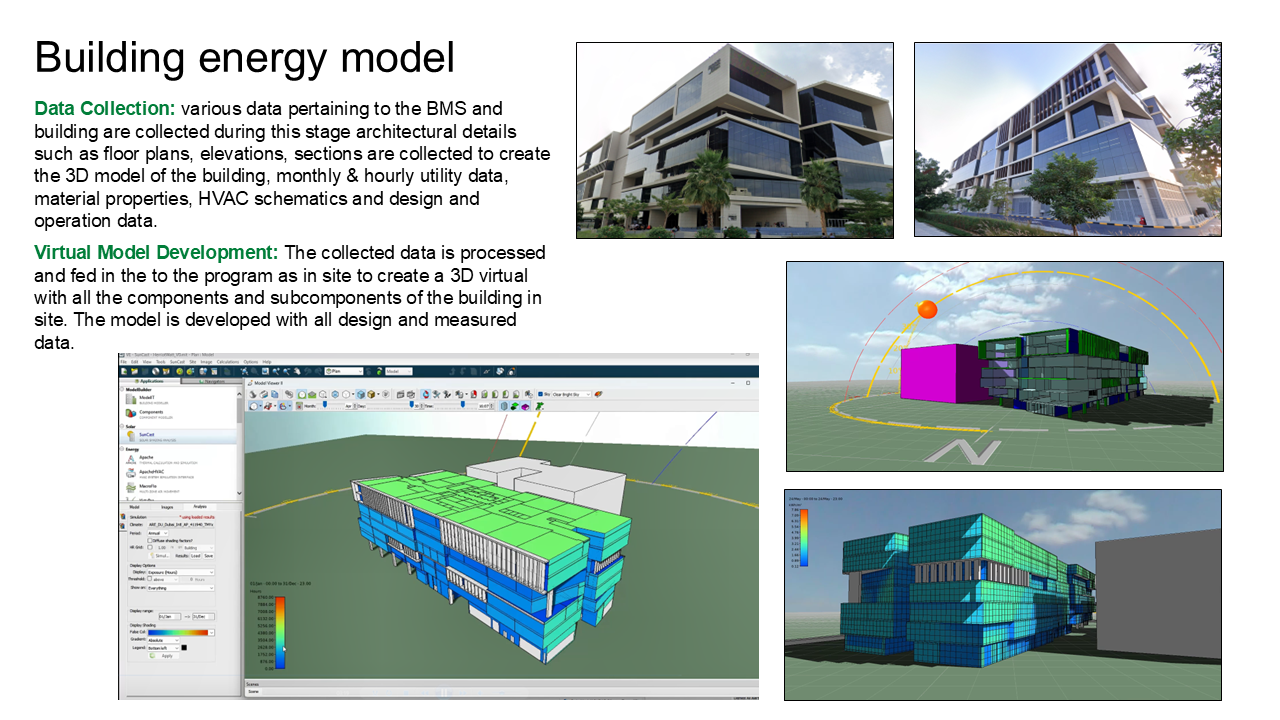
Unlike conventional energy audits that provide static snapshots of performance, the Heriot-Watt Digital Twin creates a continuously calibrated virtual replica of the campus, incorporating building geometry, construction materials, glazing systems, occupancy patterns, HVAC operations, lighting loads, equipment demands and utility consumption. Using advanced simulation methodologies within the IESVE platform, the project integrates architectural, mechanical and operational datasets into a single digital environment capable of reproducing real-world performance. This enables facilities managers to move beyond reactive maintenance towards predictive building intelligence, where future energy consumption, carbon reductions and operational improvements can be tested digitally before investment decisions are made.
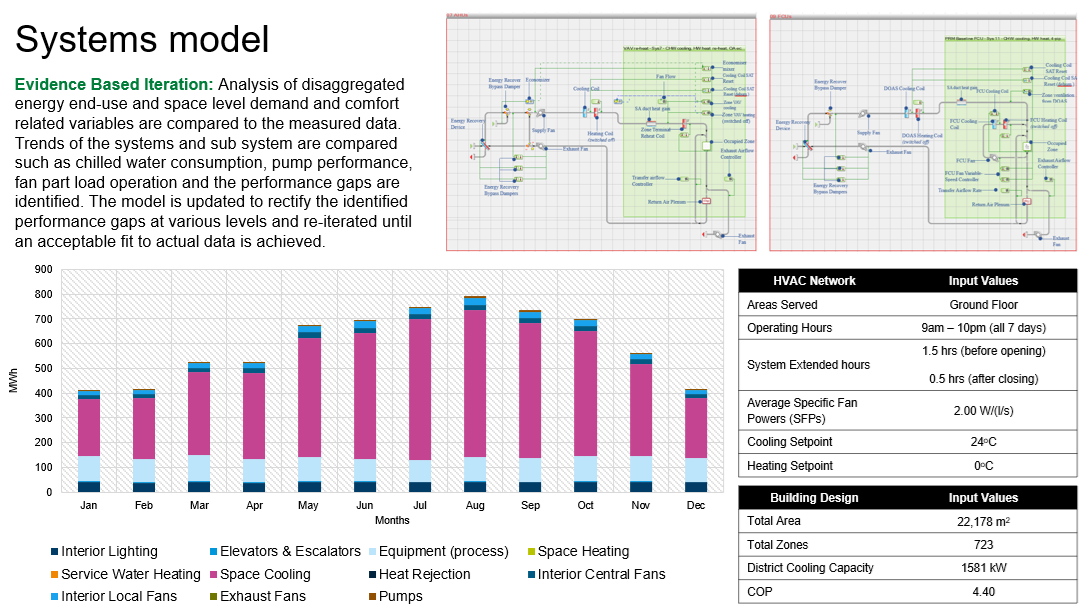
A defining achievement was the successful calibration of the digital twin against real campus utility data. Through an iterative validation process following ASHRAE Guideline 14 requirements, the model achieved 90.14% accuracy, with a Normalised Mean Bias Error (NMBE) of 0.014 and a CV(RMSE) of 9.864—well within accepted industry thresholds. This means the University now possesses a highly reliable virtual representation of its campus that can accurately predict the impact of operational changes, retrofit measures and future sustainability investments before they are deployed.
Testing the Future Before It Happens
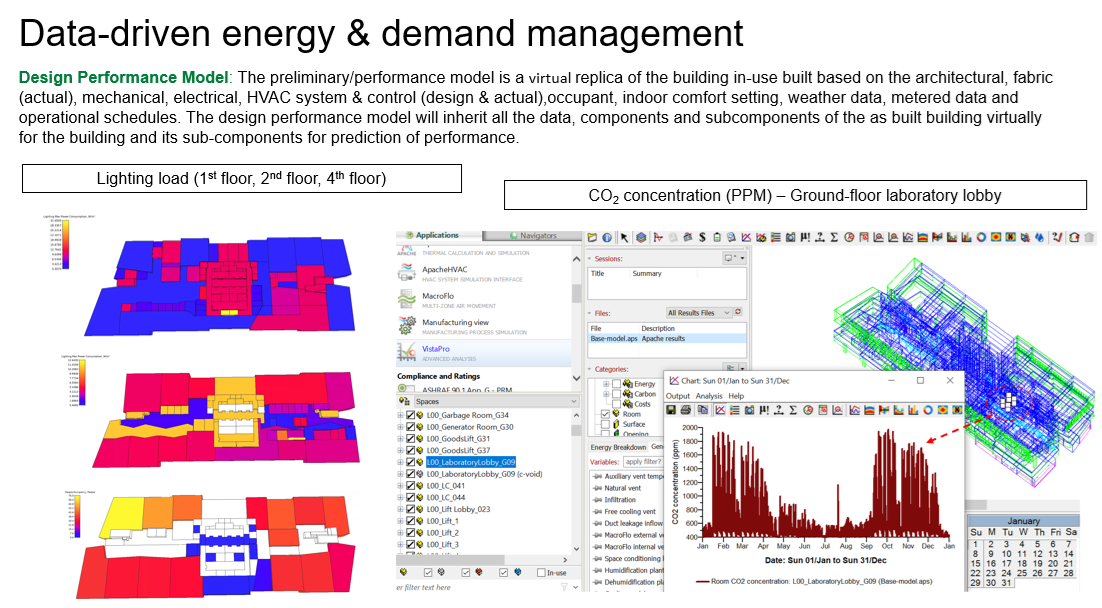
The calibrated model revealed an annual campus energy consumption of approximately 7,200 MWh, with cooling loads accounting for the vast majority of demand. By disaggregating building performance into HVAC systems, lighting, equipment loads and occupancy-driven energy use, the Digital Twin provided insights that would be impossible to derive from utility bills alone.
The real value emerged when the project team used the model to test future energy conservation strategies. A series of advanced Energy Conservation Measures (ECMs) were evaluated, including demand-controlled ventilation using CO₂ sensors and variable-speed drives, EC motor retrofits for fan coil units, high-efficiency FAHU motors, automated plug-load controls, daylight-responsive lighting, solar shading systems, building-integrated photovoltaics and indirect evaporative cooling technologies.
The digital twin demonstrated that CO₂-driven fresh air control could reduce annual energy consumption by 4.36%, while EC motor upgrades could contribute 3.27% savings and automated plug-load controls a further 3.40% reduction. Additional gains were identified through daylighting controls, photovoltaic integration and façade optimisation. When combined into a strategic retrofit pathway, the model predicted approximately 20% annual energy reduction, representing more than 1,400 MWh of energy savings per year. Even under current operational constraints, the project identified realistic opportunities to achieve approximately 15% energy savings, demonstrating the significant value that can be unlocked through data-driven optimisation alone.
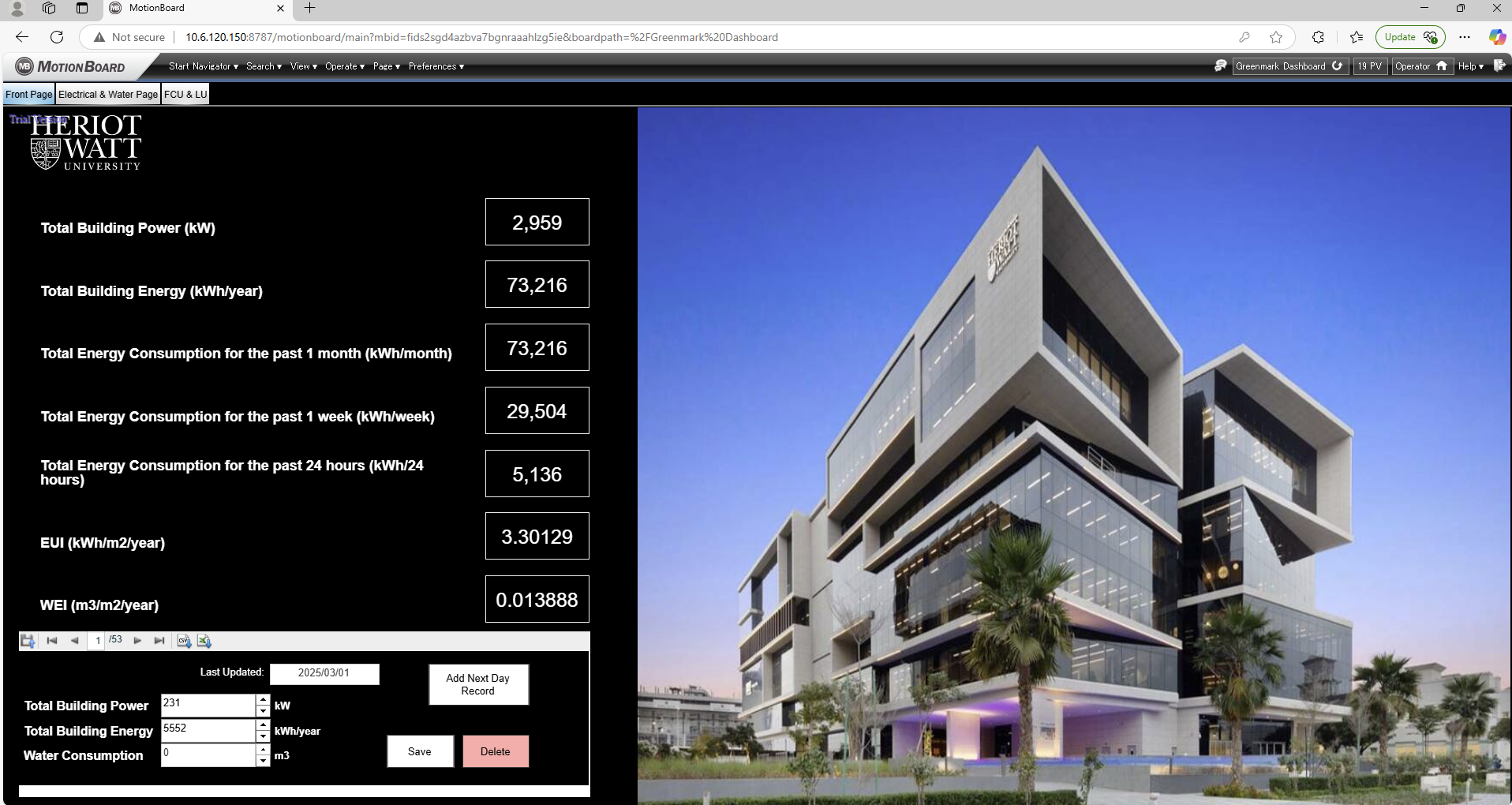
The project also integrated the digital twin with advanced dashboard technologies, creating a real-time operational intelligence platform capable of highlighting anomalies, inefficiencies and optimisation opportunities as they occur. Early analyses identified opportunities to improve plant sequencing, enhance ventilation control strategies and expand sub-metering infrastructure. This shifts facilities management from simply recording historical performance towards forecasting future demand and continuously improving building operation through predictive analytics.
Industry Recognition and Global Research Impact
The significance of the project has already been recognised internationally. In 2025, Heriot-Watt University Dubai received the CIBSE MENA Digital Innovation of the Year – Universities Award for its “Digital Twin and Dashboard POC for Improved Sustainability Standards”, recognising the project’s pioneering application of digital engineering to improve sustainability and building performance outcomes. The award reinforces the University’s position as a regional leader in applied digital innovation for the built environment.
The project has also generated substantial academic impact. Building upon the research, Dr Hassam Chaudhry, Dr Mutasim Nour and Ms Khushbu Mankani published their findings in the journal Energies, titled Thermal Analysis of Energy Efficiency Performance and Indoor Comfort in a LEED-Certified Campus Building in the United Arab Emirates demonstrating how advanced simulation, digital twins and evidence-based retrofit strategies can simultaneously reduce energy consumption and maintain occupant comfort within a UAE university campus. The study highlighted the potential for approximately 15% annual energy reduction through integrated optimisation measures and further demonstrated the role of renewable technologies, including a rooftop photovoltaic system capable of offsetting a meaningful proportion of annual energy demand. The publication establishes a replicable framework for applying digital twins to the decarbonisation of educational and commercial buildings across hot-climate regions.
Together, the award-winning project and its peer-reviewed research demonstrate a fundamental shift in how buildings will be managed in the future. The Heriot-Watt Digital Twin shows that the next generation of sustainable infrastructure will not be defined solely by efficient equipment, but by intelligent systems that continuously learn, predict and optimise performance. In doing so, the project has transformed the campus into a living laboratory for digital innovation and established a powerful model for organisations seeking to translate sustainability ambitions into measurable, scalable and verifiable outcomes.
Events Calendar
Upcoming Events

BCCD Breakfast Networking
Wed, 21st Oct 2026
Reform Social & Grill
Kickstart your morning with valuable connections & conversations. This casual yet engaging... Read more

Quick Connect: Meet, Greet, Repeat!
Thu, 22nd Oct 2026
Pronto, Fairmont Dubai
Join us for an exciting evening of speed networking that’s all about making new connecti... Read more

Breast Cancer Awareness Morning
Tue, 27th Oct 2026
SEE Institute
October is Breast Cancer Awareness Month, a time to bring a difficult subject into the ope... Read more


