Why Physiotherapy Doesn't Always Fix Low Back Pain – And What Does | By Andy Marlow, Founder of The Back Coach
Date Posted:Mon, 20th Jul 2026

Many people come to me still in pain after they've used up the ten or fifteen physiotherapy sessions on their health insurance. The treatment has usually been the same: half the time spent on passive treatment (lying on a table while someone or a machine does something to you), the other half on generic exercises and stretches.
What's extremely rare is that someone has taken the time to determine which specific postures, movements or loads provoke their pain, and shown them how to avoid them. So, they keep provoking their pain, and walk away believing they're broken, when in reality they were never properly assessed.
If you've tried physiotherapy and still have low back pain, it's probably not because exercise in general doesn't work, or because you're a hopeless case. It's far more likely that you haven't had a thorough enough assessment to identify your specific pain triggers.
A term often used in this field is "non-specific low back pain." It sounds like a diagnosis, but it isn't. It just means that nobody has worked out what the specific cause of your low back pain is. So you get given this non-diagnosis and lumped together with other people who may have a completely different type of low back pain. One person's pain may get worse when they bend forward; another's when they arch back. If they're given the same programme, at best it may help one and harm the other.
So it was no surprise when a recent systematic review in the BMJ found that only around one in ten back pain treatments show real, lasting benefit. That's just what happens when people with very different pain triggers are grouped together and given the same programme.
This isn't a criticism of physiotherapists because many are excellent. The issue is systemic. A thorough assessment, covering personal history, provocative pain testing, and tailored coaching, takes around three hours to carry out. But, most insurance only covers 30–45 minute sessions. That means treatment often begins before a detailed assessment can be done.
I've seen this play out repeatedly. One client had been treated with spinal flexion exercises despite being flexion-intolerant; once we identified what to avoid, his pain resolved within months.
Another had been doing stretches for years that were aggravating a herniated disc and irritating her sciatic nerve; stopping them brought immediate relief.
A third had unknowingly been straining his spine through poor hip-hinge mechanics for seven years; correcting this, combined with targeted strengthening, made him pain-free (and, after checking in recently with him, still with no low back pain three years later).
None of them were broken. Each had a specific, identifiable pattern causing their pain. It simply hadn't been found yet.
A thorough assessment involves understanding your personal history, lifestyle and limitations of your individual anatomy; testing which movements, postures and loads provoke your pain; teaching "spine hygiene" so you don't re-aggravating your back daily; and coaching a personalised exercise programme based on what's found during the assessment. Without a proper assessment, any treatment plan is nothing more than hit and miss.
If you've tried standard treatments but you're still dealing with persistent back pain, you're not a lost cause. A much more likely explanation is that you just haven't been adequately assessed yet. When you identify your specific pain triggers and learn how to avoid provoking them, you give your spine the conditions it needs to begin healing itself.
Author:
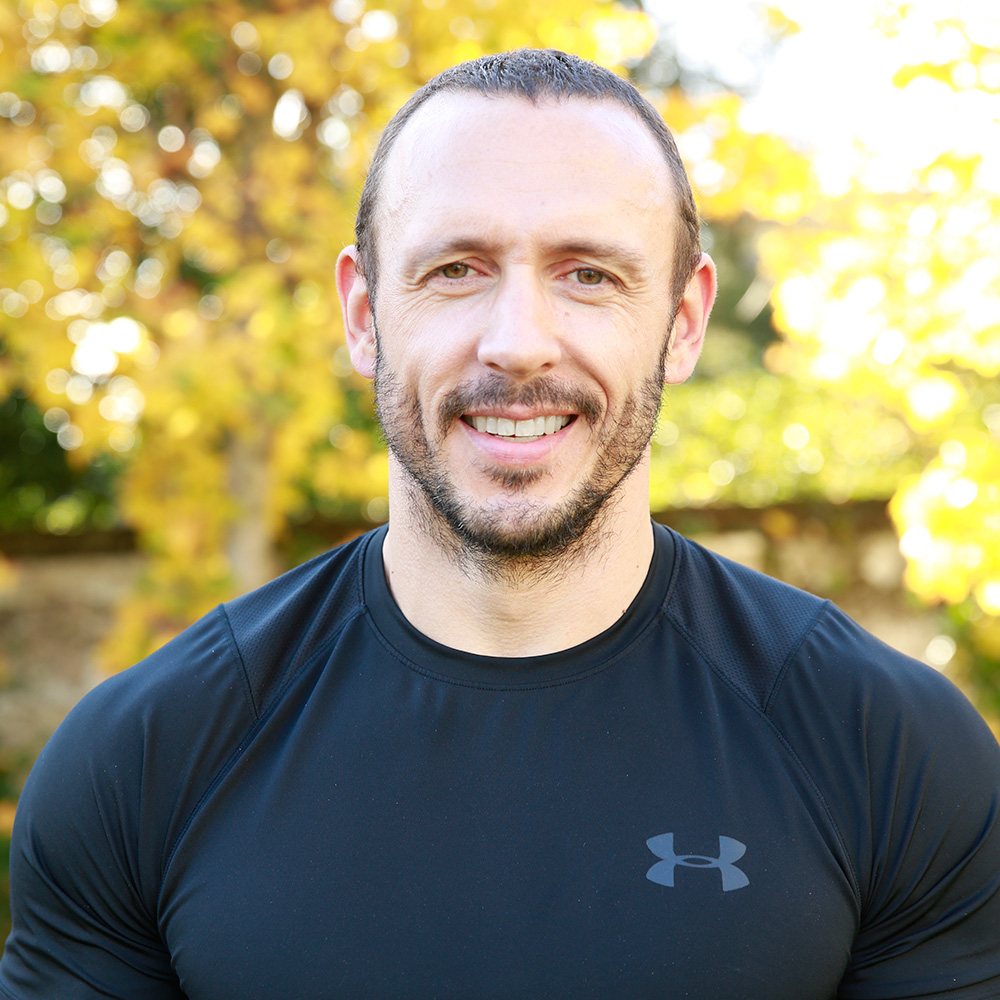
Andy Marlow is the only McGill Method certified provider based in the UAE.
Events Calendar
Upcoming Events

BCCD Breakfast Networking
Wed, 21st Oct 2026
Reform Social & Grill
Kickstart your morning with valuable connections & conversations. This casual yet engaging... Read more

Quick Connect: Meet, Greet, Repeat!
Thu, 22nd Oct 2026
Pronto, Fairmont Dubai
Join us for an exciting evening of speed networking that’s all about making new connecti... Read more

Breast Cancer Awareness Morning
Tue, 27th Oct 2026
SEE Institute
October is Breast Cancer Awareness Month, a time to bring a difficult subject into the ope... Read more


