The New Supply Chain Reality: Energy Shocks, Geopolitics, and Future Role of Insurance | By Richard Mockett, CEO, Howden Middle East and Africa
Date Posted:Mon, 20th Apr 2026

The recent escalation of tensions involving Iran has triggered a fresh wave of disruption across global supply chains, exposing structural vulnerabilities that have been building for years. While businesses have grown accustomed to shocks, from pandemics to trade disputes, this episode is distinct in both its origin and its implications. It is, at its core, a supply-side crisis that could have far-reaching economic consequences.
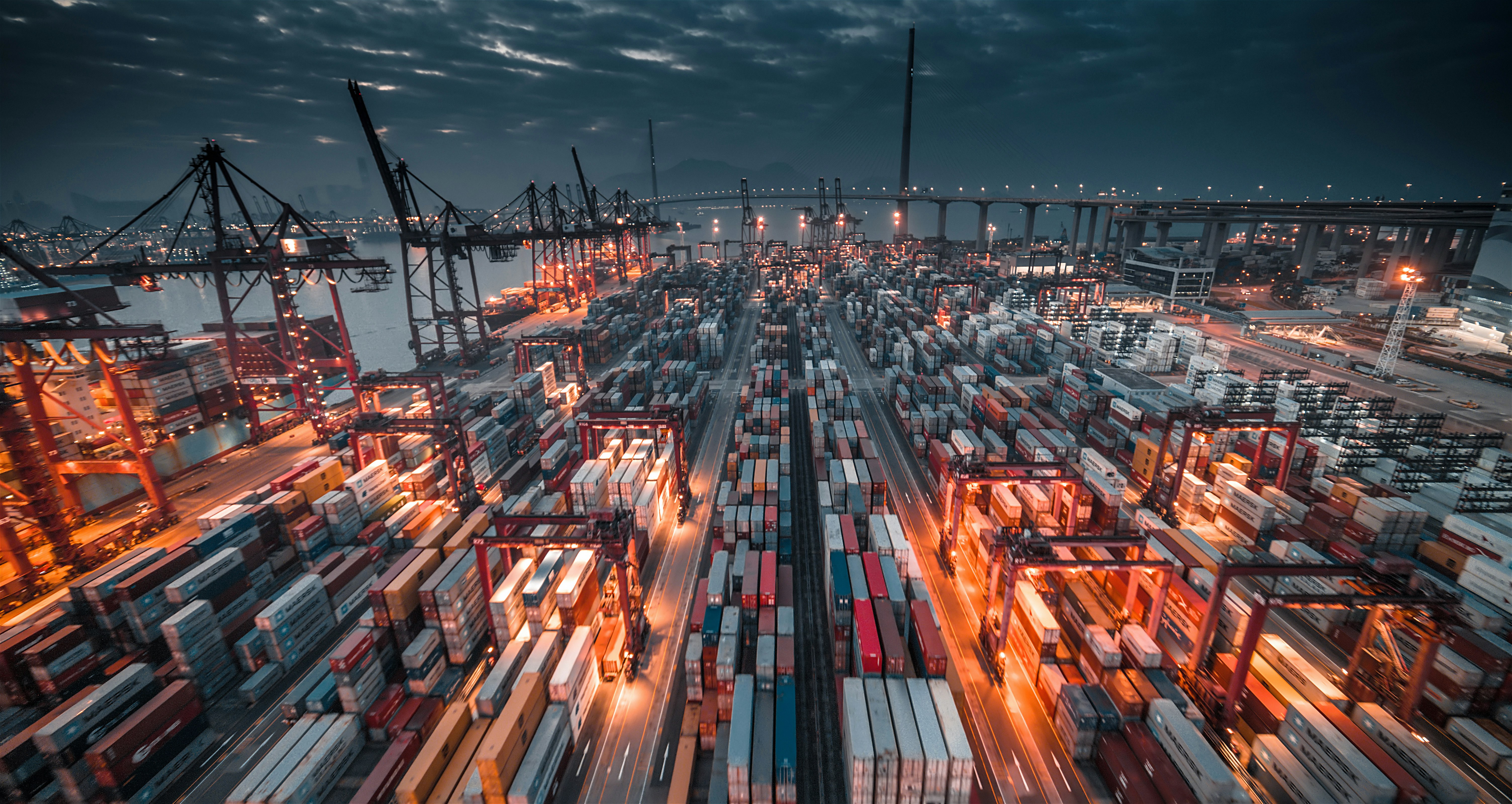
A supply-side shock to the global economy
Unlike previous cycles where energy prices rose due to strong global demand, the current surge is being driven by a supply-side shock, as geopolitical instability from the current Iranian conflict threatens the movement of critical items such as oil, LPG, fertiliser feedstocks and naphtha feedstock through one of the world’s most critical regions.
This distinction is important. Demand-driven price increases tend to reflect economic strength and can be managed over time. Supply-driven shocks, by contrast, are more abrupt, harder to control, and more likely to trigger sustained volatility. These feed directly into production costs, transport networks, and ultimately inflation. This impact can already be observed across industries, with energy-intensive sectors among the most exposed.
A secondary observation is that despite years of focus on the vitally important aspect of energy transition, the crisis highlights a persistent reality: The global economy remains deeply reliant on hydrocarbons. Oil and gas continue to underpin everything from manufacturing and logistics to agriculture and chemicals. The pace of transition, while real, has proven to be insufficient to cushion near-term disruptions.
This hydrocarbon dependency signifies that any sustained interruption to energy supply carries systemic consequences. It reinforces how difficult it is to decouple from hydrocarbons in the short to medium term, particularly for emerging markets and energy-intensive industries.
Inflation, interest rates, and capital risk
A prolonged disruption in energy supply raises the spectre of renewed inflationary pressure. Higher input costs ripple through economies, forcing central banks to maintain or even increase interest rates. This, in turn, tightens financial conditions and raises the risk of capital impairment across sectors.
Industries with thin margins or high energy exposure - such as manufacturing, transportation, and chemicals - are particularly vulnerable. The knock-on effects can extend to asset valuations, credit risk, and investment flows, creating a feedback loop that further stresses global supply chains.
The consequences are not confined to energy markets alone. A prime example is the drastic impact to the agricultural sector due to the increased cost and export restrictions of fertilisers. The cost of nitrogen-based fertilisers such as urea, for which natural gas is required, rapidly increased by over 40% since the conflict, just as planting seasons begin in many parts of the world. This threatens crop yields, food prices, and ultimately food security.
At the same time, logistics costs are rising sharply. Reports of ocean freight rates increasing by as much as 50% highlight how quickly disruption can cascade through global trade networks. Shipping routes, insurance costs, and fuel prices all contribute to this escalation, compounding pressure on businesses and consumers alike.
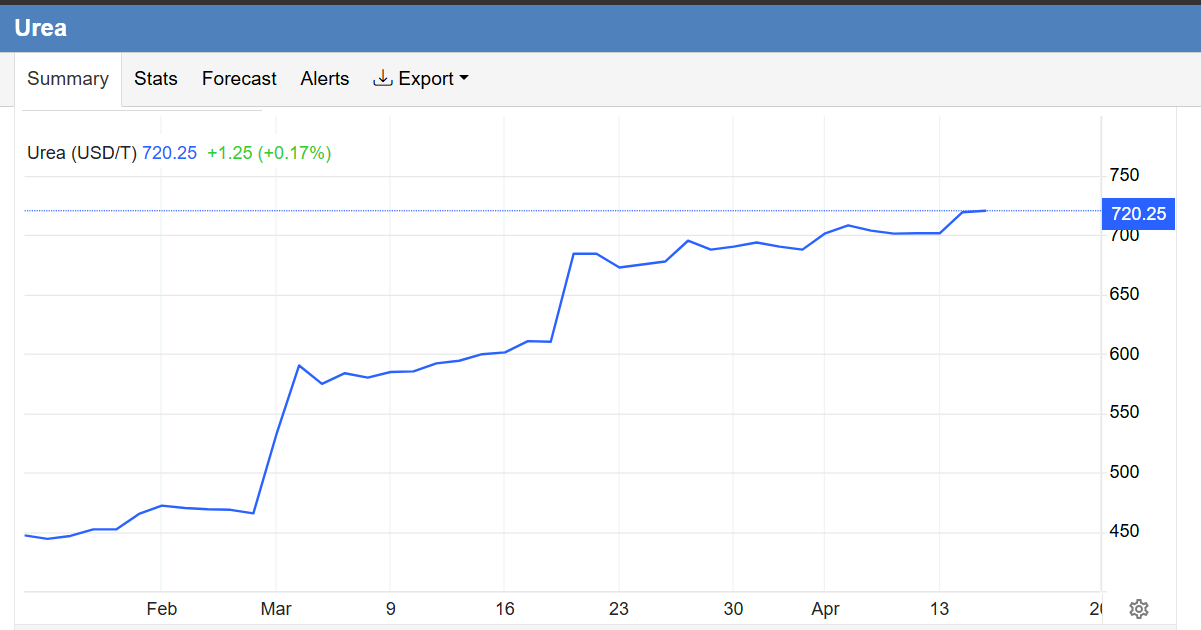
Source: Urea - Price - Chart - Historical Data - News
A shift in risk perception
Looking ahead, several structural changes are likely to emerge:
- Maintaining higher inventory levels: There could be a general move from just-in-time models towards holding greater inventory levels of key resources to mitigate disruption. As an example, would certain countries keep national reserves of fertilizers to mitigate supply restrictions and pricing issues during global upsets.
- Strategic resource positioning: Critical inputs - energy, minerals, food - will be treated with greater geopolitical importance.
- Investment in energy infrastructure: Conflict-driven volatility is likely to accelerate investment across the energy supply chain, including both traditional hydrocarbons and alternative energy sources.
- Regionalisation of supply chains: Businesses may diversify or relocate supply bases to reduce exposure to geopolitical hotspots.
In short, resilience will take precedence over pure efficiency.
The role of Insurance: from protection to enablement
During periods of heightened uncertainty, insurance serves as a critical financial enabler, allowing corporations and governments to continue investing, trading, and developing despite elevated risks. In this context, insurers play a central role in underpinning stability amid volatility, not only through risk transfer but by supporting more resilient and efficient supply chains. Brokers are equally important, helping clients navigate immediate disruption while adapting to longer-term shifts in global trade through insight, structuring, and strategic advisory.
Specifically for supply chains, the insurance industry provides essential financial protection against disruption, enabling businesses to absorb shocks to their distribution networks and maintain continuity. Insurance cover for business interruption, trade disruption, and political instability becomes increasingly vital as geopolitical risk intensifies, supply chain vulnerabilities become more pronounced and rising cargo costs place additional financial strain on global trade. It allows companies to operate in more volatile environments, supporting cross-border trade and investment at a time when confidence may otherwise be constrained.
Looking ahead, conflict-driven volatility is likely to drive increased investment across the energy value chain, particularly around diversification initiatives, namely in production, transportation infrastructure, and alternative supply routes. In parallel, the insurance industry can take on a more proactive role in helping organisations understand and manage these risks. One example is the use of advanced analytics and supply chain mapping to improve visibility of vulnerabilities, allowing businesses to stress-test operations and prepare more effectively for disruption.
At the same time, insurance will remain integral to enabling investment in energy and infrastructure—both critical to building more resilient supply chains. By underwriting complex and capital-intensive projects, the sector supports the financing required to expand and diversify supply in an increasingly uncertain global environment.
Conclusion
The disruption triggered by the US/Israel-Iran conflict is unlikely to be a temporary setback. Instead, it marks another step in the transition toward a more complex, less predictable global trading environment.
Higher energy costs, inflationary pressure, and supply chain disruption are immediate challenges. But the longer-term impact will be a fundamental reshaping of how supply chains are designed, managed, and protected.
Resilience - once a secondary consideration - will become a defining priority.
In that shift, insurance could play a critical role. Not only in helping businesses withstand disruption, but in enabling the investment, innovation, and strategic thinking required to build supply chains fit for an increasingly uncertain world.
At Howden, utilising our global expertise, we journey with our clients to improve their risk mitigation and resilience measures. Please reach out to one of our specialists if you have any questions.
Author: Richard Mockett, CEO, Howden Middle East and Africa
Contact us: [email protected]

Events Calendar
Upcoming Events

BCCD Breakfast Networking
Wed, 21st Oct 2026
Reform Social & Grill
Kickstart your morning with valuable connections & conversations. This casual yet engaging... Read more

Quick Connect: Meet, Greet, Repeat!
Thu, 22nd Oct 2026
Pronto, Fairmont Dubai
Join us for an exciting evening of speed networking that’s all about making new connecti... Read more

Breast Cancer Awareness Morning
Tue, 27th Oct 2026
SEE Institute
October is Breast Cancer Awareness Month, a time to bring a difficult subject into the ope... Read more


