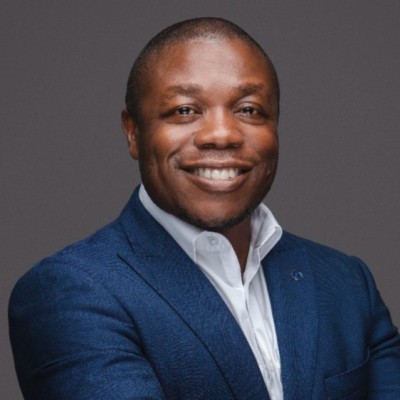
The Hidden Risk in the UAE Supply Chain | By Sam Achampong, Regional Director of CIPS: Middle East, Africa and Asia-Pacific
Date Posted:Mon, 23rd Mar 2026

I loved Kung Fu movies growing up and I was fascinated by Bruce Lee. He wasn’t just an extraordinary martial artist; he was also blessed with a fountain of wisdom. I keep returning to one quote in particular - especially when times are tough: “Be like water making its way through cracks. Do not be assertive, but adjust to the object, and you shall find a way around or through it.”
It's a philosophy that feels particularly relevant for businesses in the UAE today.
Much has been said about the disruption to global energy flows through the Strait of Hormuz - and rightly so. But for business leaders operating in the UAE, the real question is not just what is happening, but what will break next in the supply chain. Because beyond fuel prices and shipping routes, there is a less visible - but equally critical - constraint emerging: Capability.
Over the past few years, procurement and supply chain functions have been under sustained pressure - from pandemic disruption to inflation, to ongoing geopolitical uncertainty. But right now, we are seeing a new dynamic.
Where the pandemic forced talent to stay put, the current environment is creating more fluidity - and in some cases, quiet attrition. Key procurement capability is becoming harder to retain at exactly the moment organisations need it most.
For business leaders, this is a commercial risk.
When procurement teams are stretched, supplier due diligence gets compressed, negotiation leverage weakens, risk checks are bypassed and short-term decisions override long-term value. In that environment, exposure to cost inflation, supply disruption, and reputational risk increases significantly.
As Winston Churchill famously said, "never let a good crisis go to waste." Unfortunately, the same applies to bad actors. As the pool of available talent and resources for procurement shrinks, the doors open for waste, fraud, and corruption. Under resourced teams are forced to make snap decisions, often at the expense of ethical standards, compliance checks, and long term strategic planning. Price gouging, bribery, and shortcuts become tempting – undermining the very foundations of responsible sourcing.
For organisations operating in the UAE - a global trade hub with complex, interdependent supply networks - resilience is no longer just about suppliers or logistics. It is about whether your organisation has the capability to respond, adapt, and make the right decisions under pressure.
To build that resilience, I see four areas business leaders should be focusing on:
1. Invest in local capability: Reducing reliance on transient talent by building and developing procurement capability locally is now a strategic priority - not a long-term aspiration.
2. Strengthen contingency planning: Map alternative sourcing routes, stress-test supplier dependencies, and define clear escalation and decision triggers before disruption hits.
3. Digitise and automate where possible: Automation can provide continuity when teams are stretched - ensuring that critical processes continue even during periods of disruption.
4. Enable flexible operating models: Remote and hybrid procurement models allow organisations to retain access to critical skills, regardless of location constraints.
At its core, this moment is a leadership test. Do we react to disruption - or do we prepare for it? Do we view procurement as a cost centre - or as a strategic function that protects value, ensures continuity?
At CIPS, we are working closely with organisations across the UAE and wider region to strengthen procurement capability where it matters most. If you are reassessing your supply chain resilience or procurement capability in light of recent developments, please get in touch.
In uncertain times, Bruce Lee's advice still holds: Be adaptable. Be responsive. Be prepared. Be water.
Author: Sam Achampong, Regional Director of CIPS: Middle East, Africa and Asia-Pacific
Events Calendar
Upcoming Events

BCCD Breakfast Networking
Wed, 21st Oct 2026
Reform Social & Grill
Kickstart your morning with valuable connections & conversations. This casual yet engaging... Read more

Quick Connect: Meet, Greet, Repeat!
Thu, 22nd Oct 2026
Pronto, Fairmont Dubai
Join us for an exciting evening of speed networking that’s all about making new connecti... Read more

Breast Cancer Awareness Morning
Tue, 27th Oct 2026
SEE Institute
October is Breast Cancer Awareness Month, a time to bring a difficult subject into the ope... Read more


