How Investment in the Long-Stay Sector is Supporting Economic Growth Across the Middle East | By Kurtis Murphy, Head Partner Account Manager EMEA, SilverDoor
Date Posted:Thu, 27th Nov 2025

Unquestionably the Middle East has undergone a period of significant investment across its travel and transport infrastructure.
Looking ahead, this year’s Travel Trends Report from the Arabian Travel Market also details travel spend in the Middle East is expected to reach nearly $350bn by 2030, signalling a continuing period of positive growth and development.
All reiterated by the previous STR findings for the region which outline how the four Middle East markets all continue to outperform expectations with Abu Dhabi, Dubai, Jeddah, and Riyadh expected to increase RevPAR by 5.4% this year.
As the region continues to invest, diversify and further qualify its position as a leading destination on the global business map, what are the key growth trends and how is the long-term stay sector bearing influence?
Saudi Arabia: The regional headquarters migration
Since the first quarter of 2024, when Saudia Arabia mandated regional headquarters within the Kingdom, over 120 global companies have set up regional offices, a huge increase of 477% on the previous year.
The policy, requiring international companies to establish local headquarters in order to maintain government contract eligibility, has resulted in an unprecedented shift in Saudi Arabia’s economic landscape and outlook. Likewise, continued investment by the KSA Government to drive forward the Vision 2023 agenda is bearing further economic growth fruit. In line with this, demand for long-term corporate and relocation travel remains strong in a number of cities and hubs including Riyadh, Jeddah & Al Khobar, as well as from a number of key sectors including consultancy companies, oil & gas, construction and government.
Beyond the main hubs, corporate travel and relocation long-stay demand for more emerging locations including Riyadh’s Diplomatic Quarter, King Abdullah Financial District, AlUla and Jeddah Cornich is also accelerating at pace. Likewise, the ongoing NEOM and Red Sea projects and expansion of Riyadh Airport are ensuring that Saudi Arabia and the Middle East remain a key focus for future investment and talent from both local and global markets.
Looking further ahead, for the remainder of this year and into 2026, rates are expected to remain high across the region largely as a result of high demand fuelled by a number of key events and expos scheduled, and comparatively lower availability than that of neighbouring Dubai.
UAE: The evolution of an established hub
Despite the competition from its neighbours KSA, the UAE market (and in particular Dubai) shows no signs of slowing.
The Emirate is solidifying its status as a powerhouse for both tourism and business travel with visitors growing year on year. Its relative maturity as a business hub, coupled with its location between East and West also qualify it as a leading choice for both corporate relocation and longer term trips with demand remaining steady from both. Alongside Saudi Arabia, Dubai remains a popular choice for companies keen to establish a base as the Emirate plays host to 4,000 multinational company regional offices. Key inbound markets continue to be GCC, UK, Russia & CIS, India & Germany.
The outlook for travel and transport growth is also continuing its upward trajectory. Both Emirates Airlines and Etihad Airways are investing in new routes and destinations worldwide, whilst in April this year, Dubai alone reported a seven per cent year on year increase in international tourist numbers.
Sectors topping the growth league table
Whilst oil and gas remains a key component of the Middle East economy, investment and attraction of new talent to the region has laid the foundation for a significant diversification and growth of new sectors. In particular, across our own client base, we have seen growth in demand from both the technology and financial services sectors as companies seek to capitalise on regulatory developments, including the KSA’s regional headquarters, policy for example.
Beyond oil and gas, projects such as NEOM and the Red Sea project have also influenced growth in energy transition, attracting investment from renewable energy, green technology and sustainability consultancies all now working to establish a presence in the region.
How the long-stay sector is fuelling growth
Whilst the broader macro-level outlook is positive, how does this distil down to a more micro-level and the management of employees who are on the ground enabling this growth?
Certainly many of the sectors and businesses that are investing across the Middle East now invariably require access to more flexible, cost-effective accommodation solutions for a more international employee-base and project teams who often work on long-term contracts. Either from a corporate travel and / or relocation perspective.
Reassuringly real estate investment in serviced accommodation and apartments is mirroring wider investment by companies and Government across the region. The market is expected to remain strong, also due largely to foreign investment as well as government initiatives, with the serviced apartment market across Middle East and Africa expected to grow by 12.7% between 2025 and 2030. Notable upcoming projects include Elite Hotel Apartments located across Jeddah, Riyadh & Khobar, Fraser Suites in Riyadh, branded residences to be part of the Six Senses The Palm Jumeirah, the Mondrian Abu Dhabi which will feature 80 serviced apartments and the Swissotel Corniche Park Tower in Qatar which will offer 223 guest rooms and 119 serviced apartments, to name just a few.
Whilst the outlook for the region remains positive, we expect that the next five years will see continued corporate migration to the Gulf states, as investment continues and long-term, more flexible accommodation becomes an integral part of business growth strategies. Exactly how and where that growth will evolve throughout the Middle East, time will tell.
To find out more about how serviced apartments can support your corporate travel and relocation programmes please visit: silverdoor.com
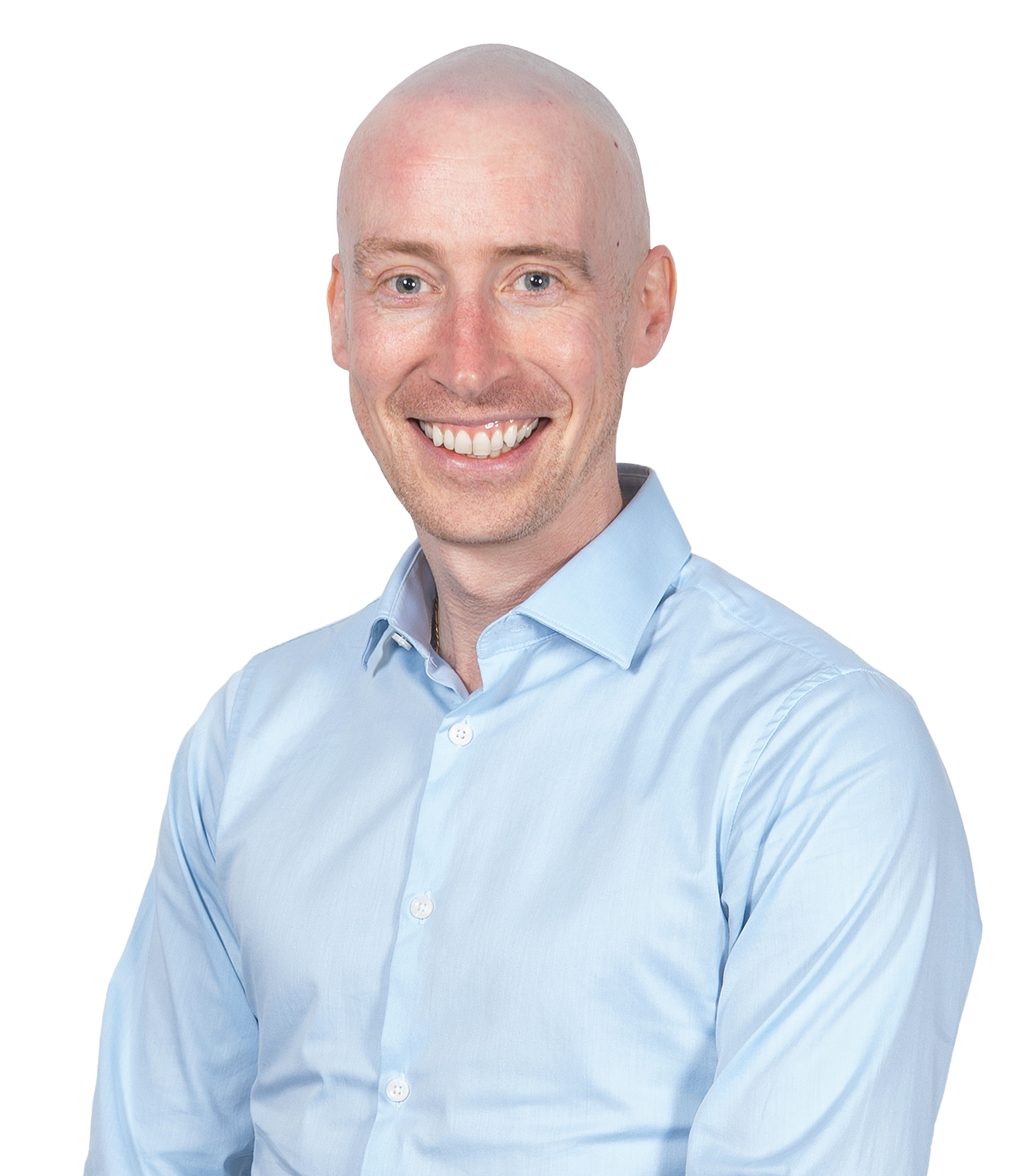
Author: Kurtis Murphy, Head Partner Account Manager EMEA, SilverDoor
Events Calendar
Upcoming Events

BCCD Breakfast Networking
Wed, 21st Oct 2026
Reform Social & Grill
Kickstart your morning with valuable connections & conversations. This casual yet engaging... Read more

Quick Connect: Meet, Greet, Repeat!
Thu, 22nd Oct 2026
Pronto, Fairmont Dubai
Join us for an exciting evening of speed networking that’s all about making new connecti... Read more

Breast Cancer Awareness Morning
Tue, 27th Oct 2026
SEE Institute
October is Breast Cancer Awareness Month, a time to bring a difficult subject into the ope... Read more


